Our Facilities
State-of-the-Art Sequencer
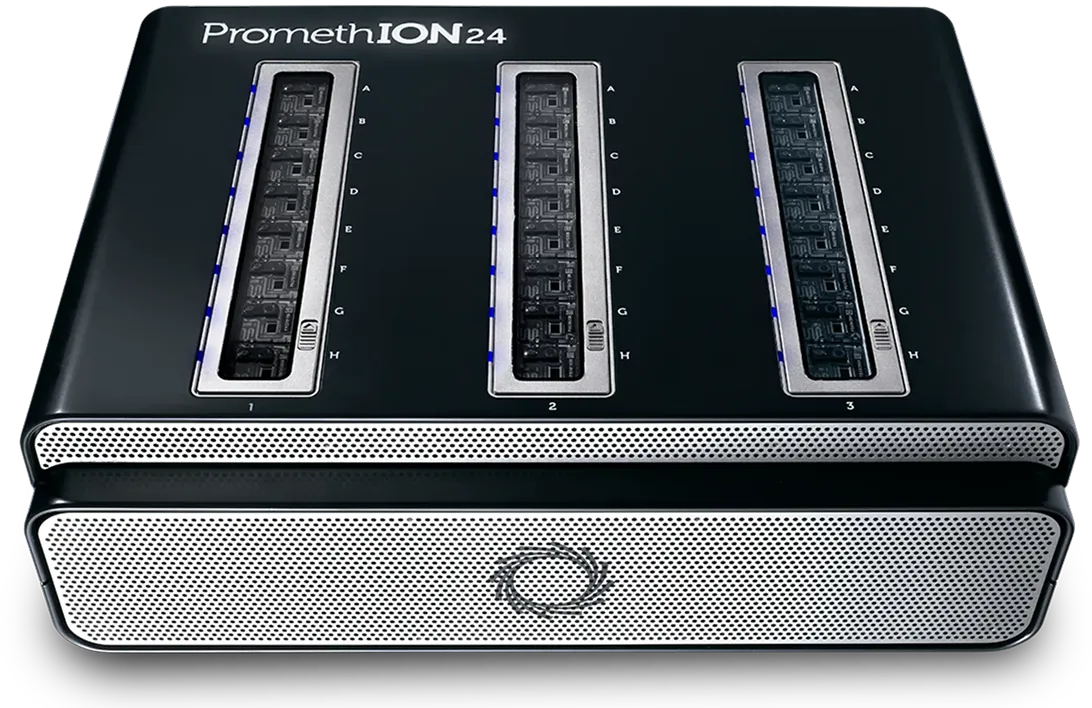
ONT Promethion 24
The PromethION 24 is Oxford Nanopore's high-throughput sequencing platform, supporting up to 24 flow cells simultaneously. Its ultra-long reads (>100 kb) enable chromosome-scale assemblies, telomere-to-telomere sequencing, and real-time adaptive sampling, while built-in detection of native DNA modifications (e.g., 5mC and 6mA) supports integrated genomic and epigenomic analysis in a single run.
Learn more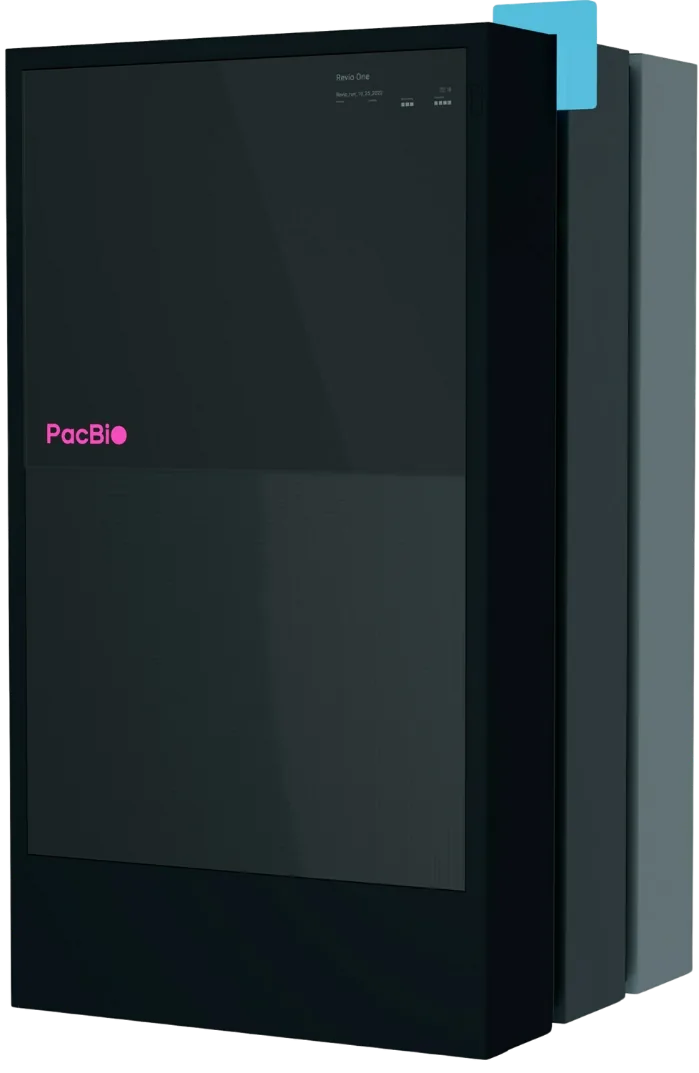
PacBio Revio
The Revio is PacBio's flagship high-throughput long-read sequencing platform, delivering highly accurate HiFi reads (>99.9%) at scale. Widely regarded as the gold standard for whole-genome sequencing, it enables precise variant detection, structural variant discovery, and full-length transcript analysis, providing exceptional resolution of complex genomic regions that are often missed by short-read technologies.
Learn moreLaboratory Equipment
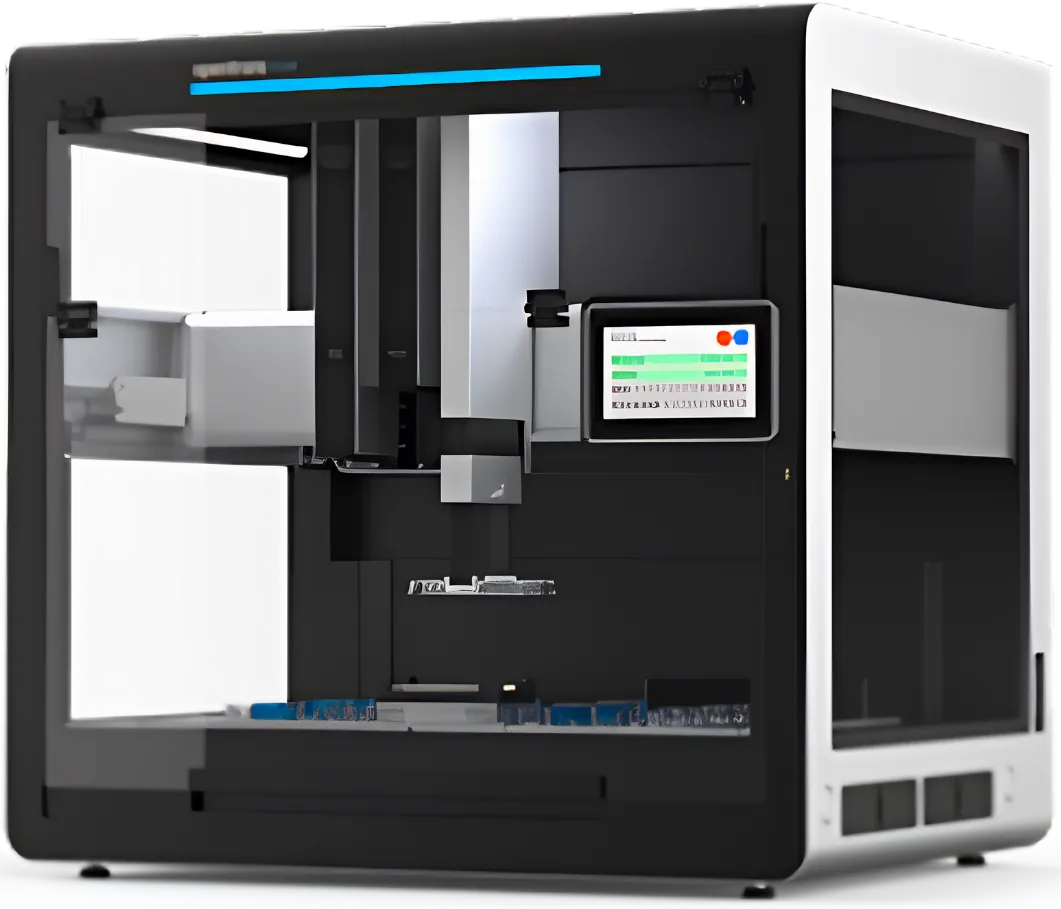
Opentrons Flex NGS Workstation
Automates liquid handling steps in NGS library preparation, delivering high precision and reproducibility across large sample batches while minimizing contamination risk and human error.
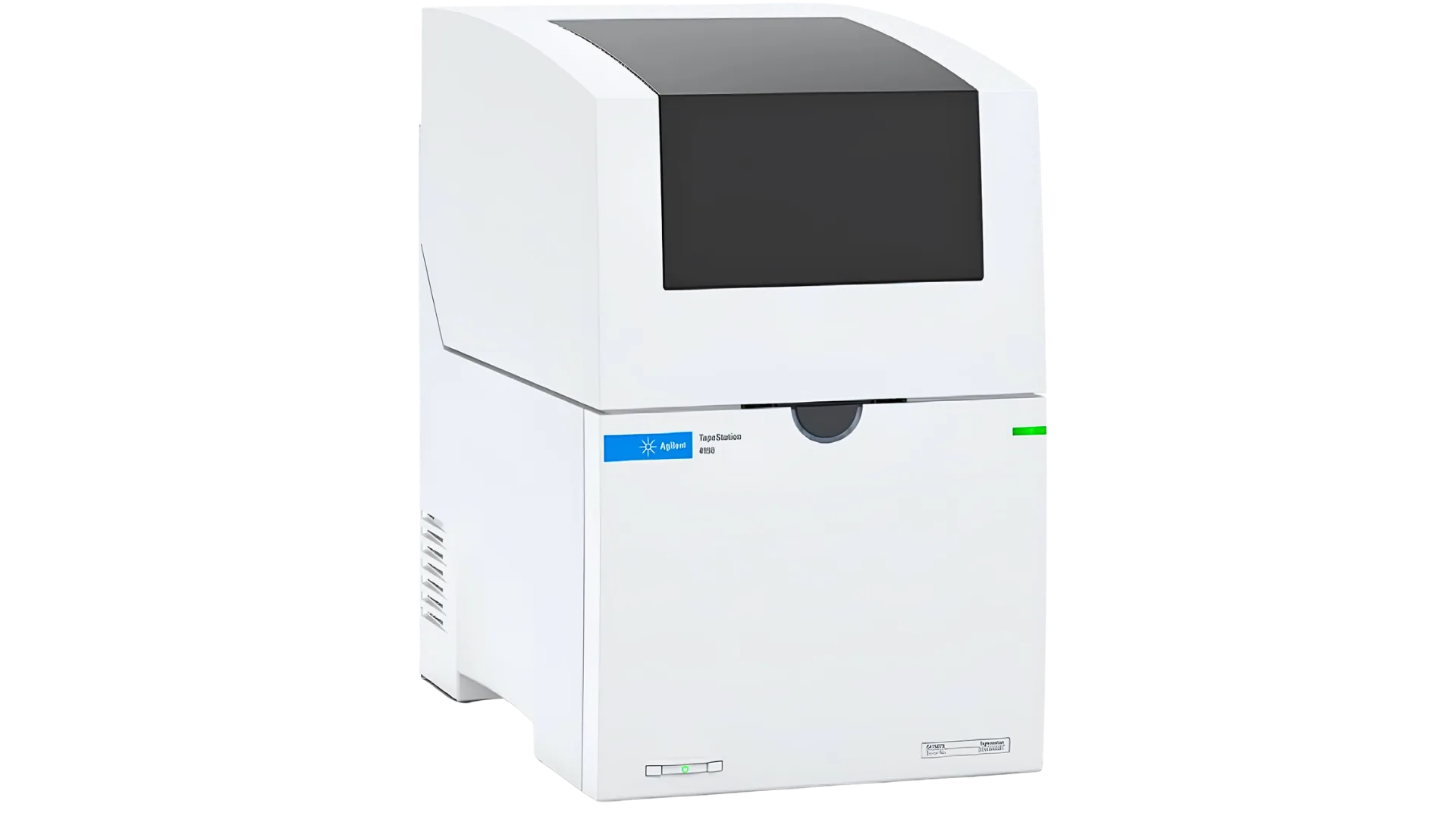
4150 Tapestation System
Enabling fragment analysis using the 4150 TapeStation System for DNA and RNA quality control prior to library preparation helps maximize sequencing output. The system operates automatically, minimizing manual intervention while providing excellent reproducibility for fragment size, concentration, and integrity assessment. Equipped with ScreenTape technology, it offers increased flexibility and scalability between tests while requiring only minimal nucleic acid input.
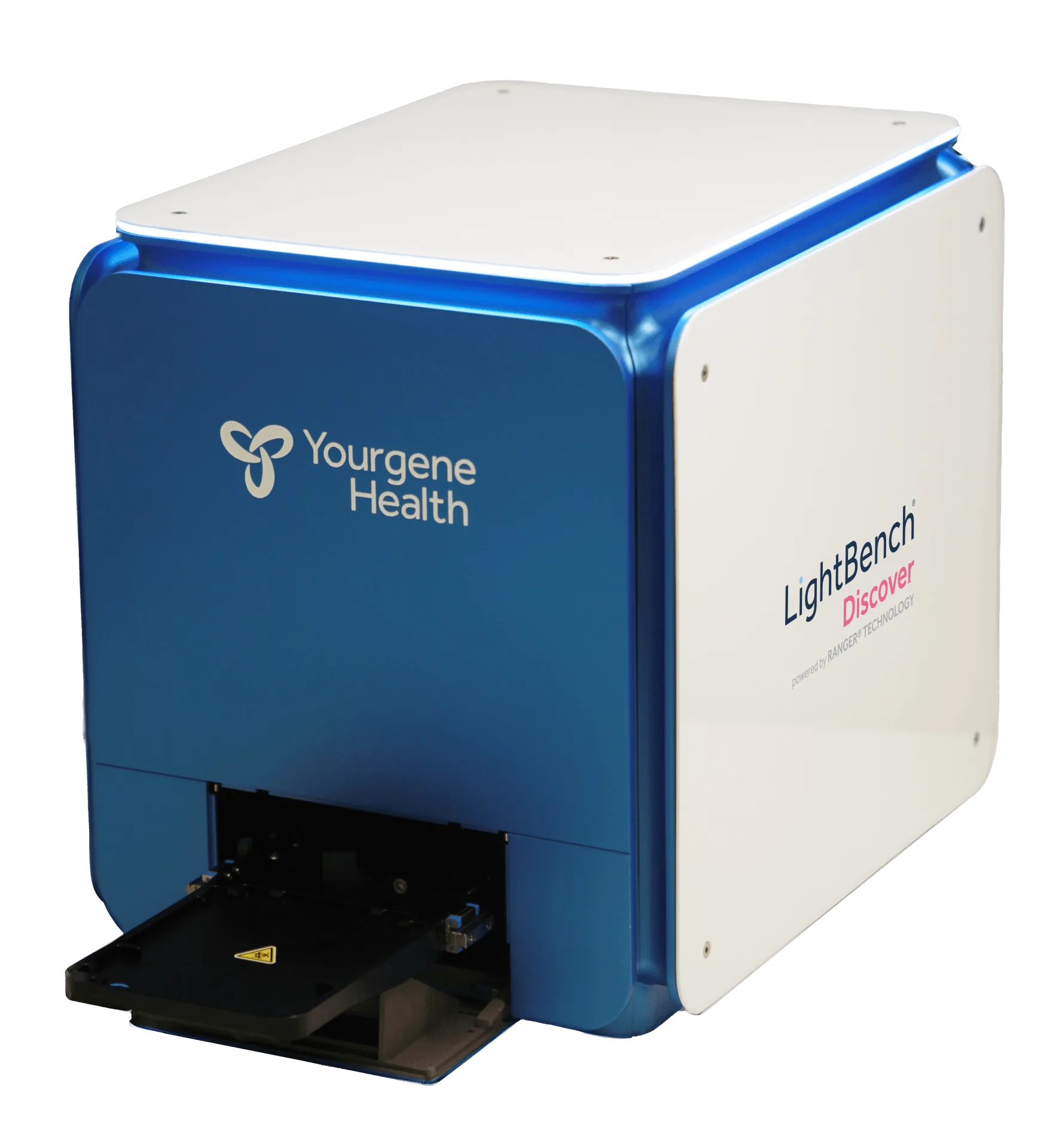
LightBench with Ranger Technology
An automated size-selection platform capable of accurately collecting DNA fragments of interest based on fragment length through specific markers within its gel cassette. Equipped with a real-time imaging system, the process can be monitored continuously and is also suitable for other fluorescence-based assays, including fragment length analysis. This system helps improve your sequencing efficiency.
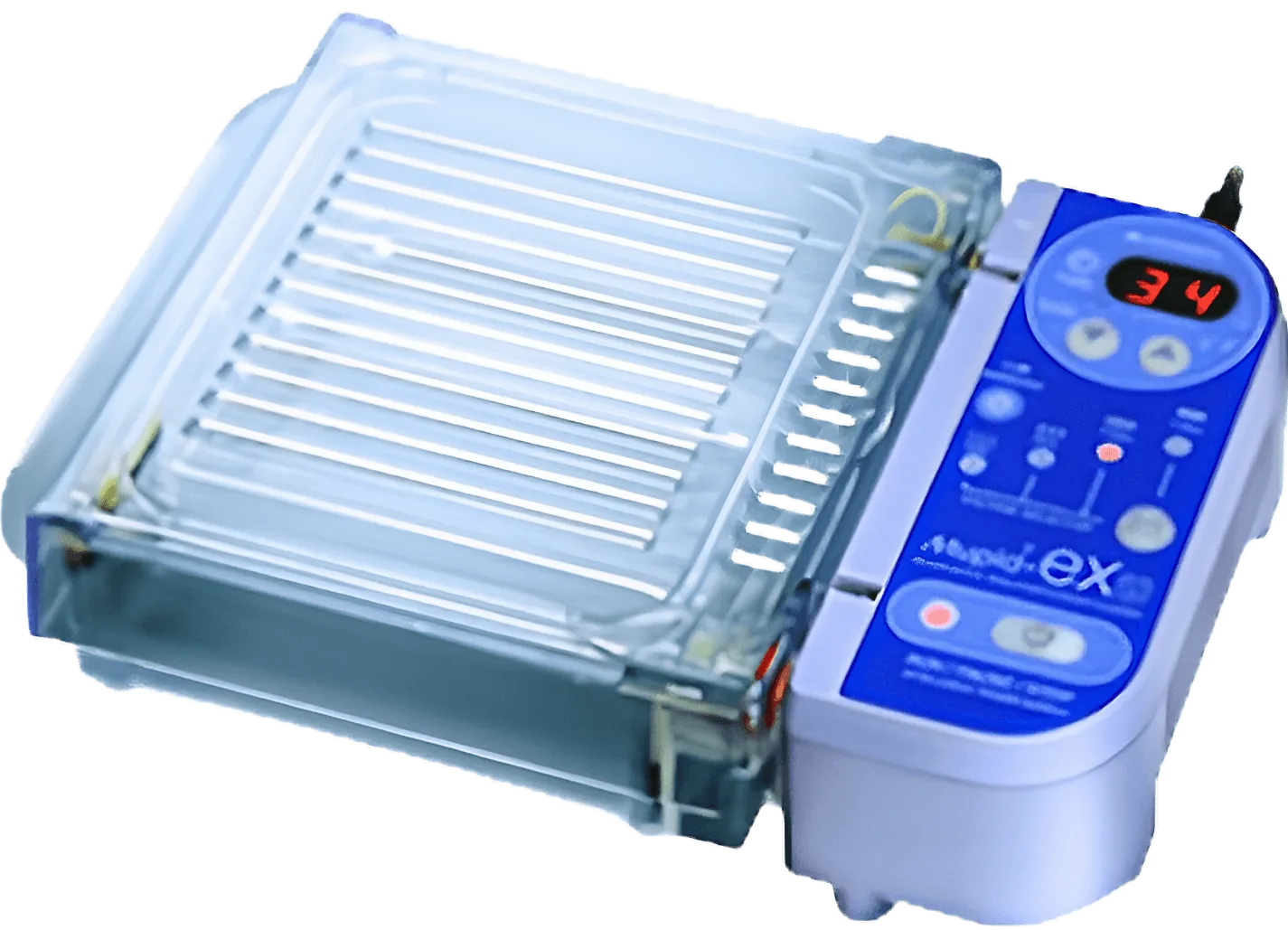
Mupid exU Electrophoresis
A standard gel electrophoresis system used to separate nucleic acids based on size and charge through a gel matrix by applying the principle of ion migration. This method enables visualization of amplicon band fragments as a standard quality control step to ensure target amplification prior to sequencing, as well as for simple fragment analysis using a standard DNA ladder marker.
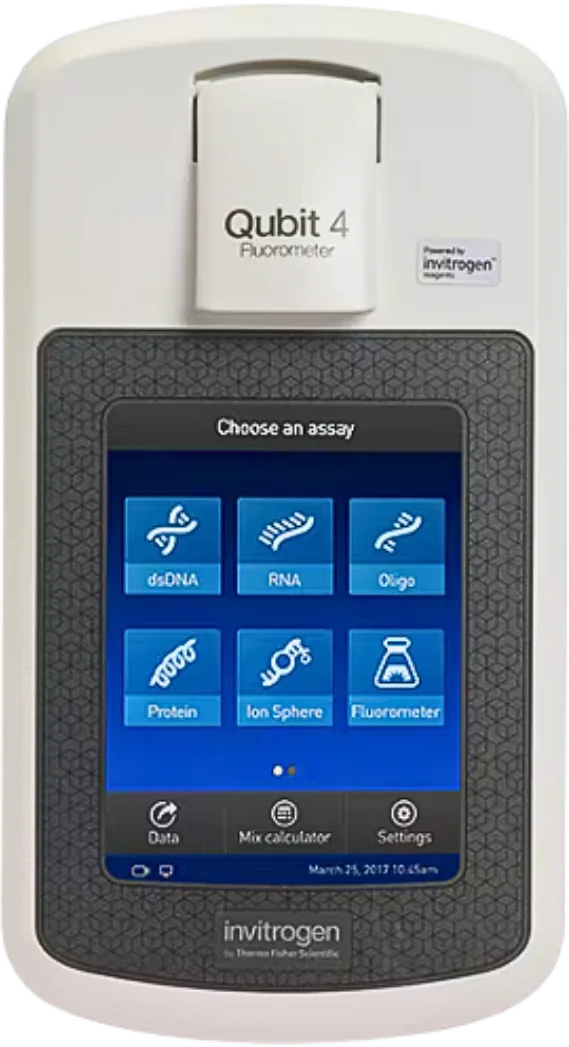
Qubit Fluorometer 4.0
The Qubit 4 Fluorometer accurately quantifies DNA and RNA prior to sequencing, ensuring the correct input concentration to prevent underloading and overloading. Using fluorophore-based chemistry that specifically binds to DNA or RNA, it provides higher sensitivity and minimizes contamination interference compared to UV absorbance methods, allowing reliable detection of low nucleic acid concentrations.
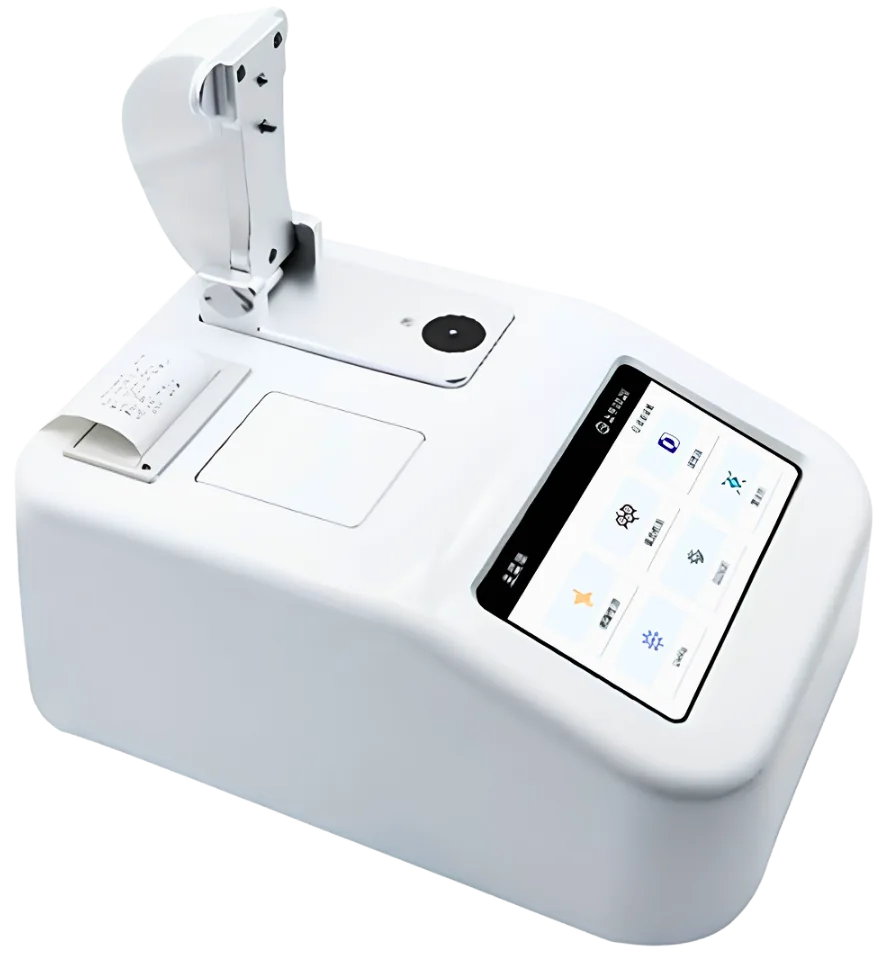
Ultra-micro Spectrophotometer
Purity assessment was performed using an ultra-micro spectrophotometer by evaluating absorbance ratios at specific wavelengths. This analysis ensures that nucleic acid samples contain minimal contaminants and sequencing inhibitors, helping improve library preparation performance, sequencing efficiency, and maximize overall data yield and quality.
Bioinformatics Computing Capacity
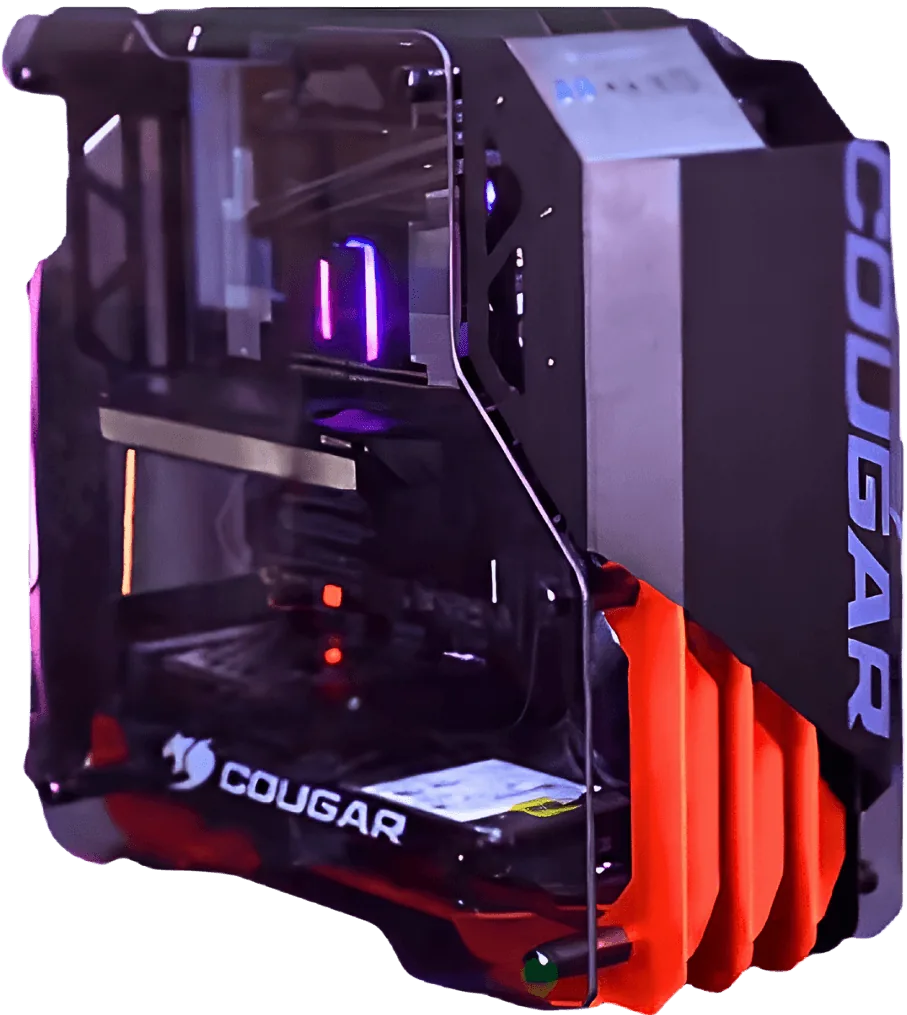
High Performance Computer
464 high-throughput vCPUs and 948 GB RAM distributed across dedicated HPC and workstation nodes. This infrastructure delivers the raw parallel processing power required to run the most complex, multi-stage genomics pipelines at scale.
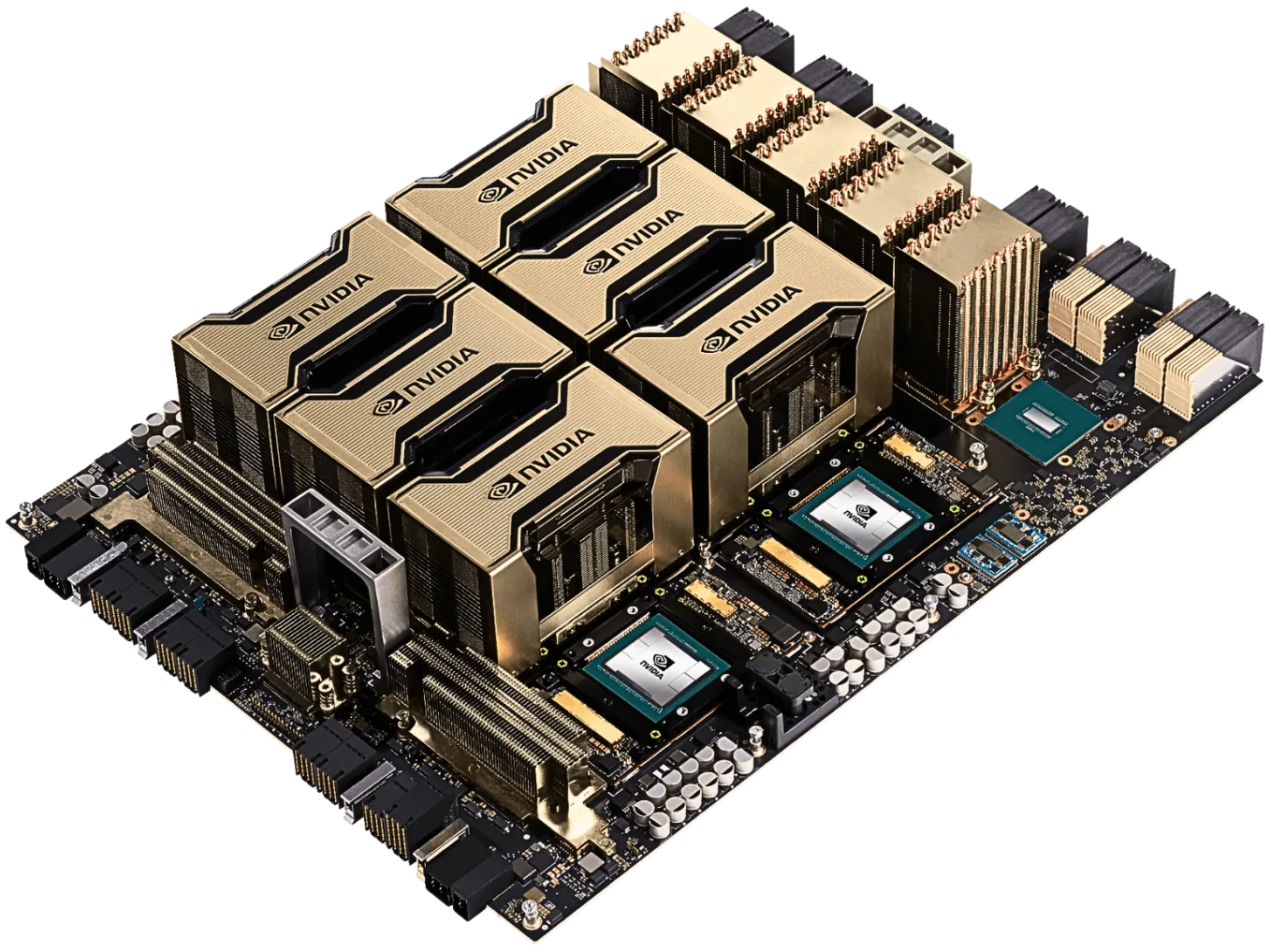
Next-Gen GPU Acceleration
398 GB of dedicated VRAM optimized specifically for AI-driven genomics workloads. Every read is processed using state-of-the-art basecalling models, transforming raw sequencing signals into high-fidelity sequence data with maximum accuracy.
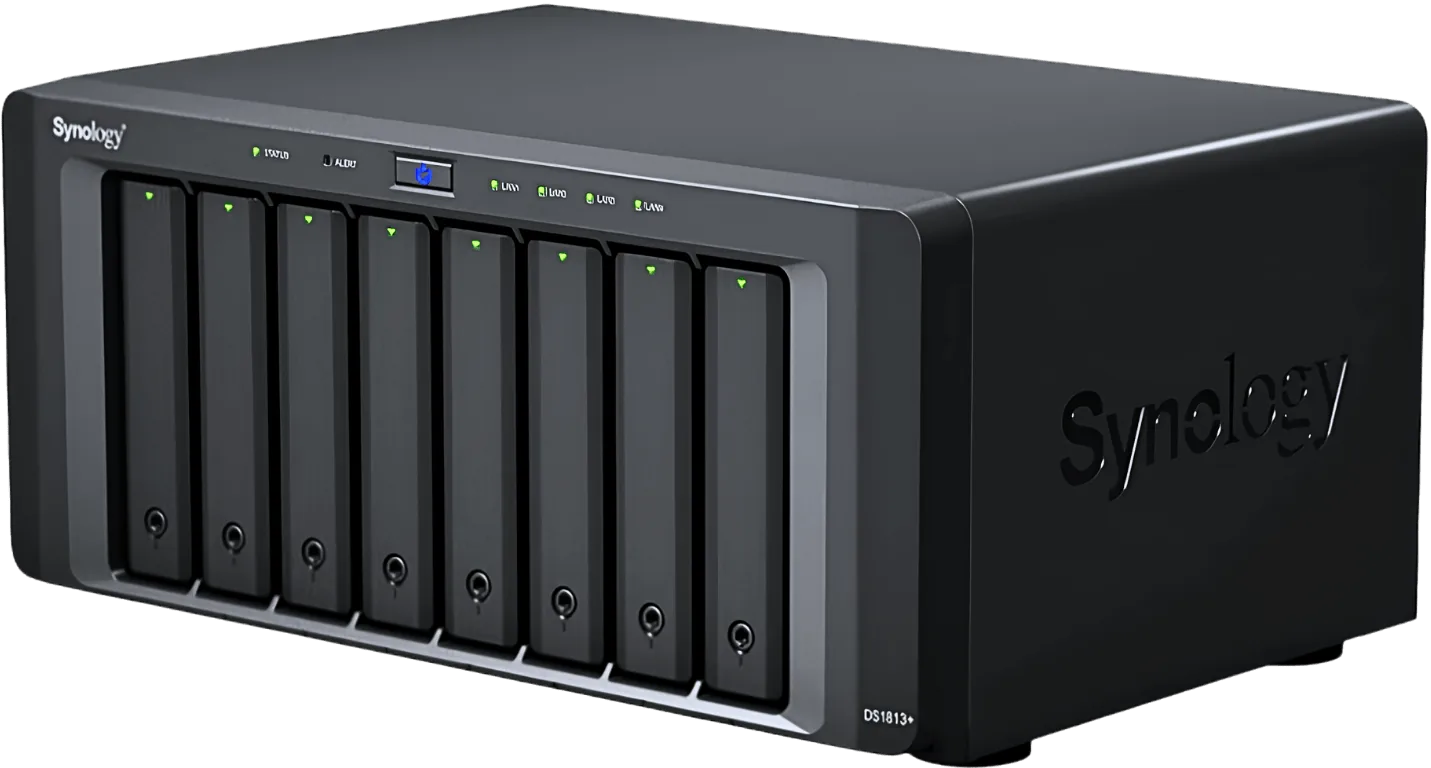
Enterprise Storage & Throughput
A 224 TB enterprise NAS with 10GbE connectivity and RAID redundancy serves as the central storage backbone connecting sequencing instruments, HPC nodes, and analysis workstations. This architecture enables high-speed data transfer, secure archiving, and real-time access to large genomic datasets.